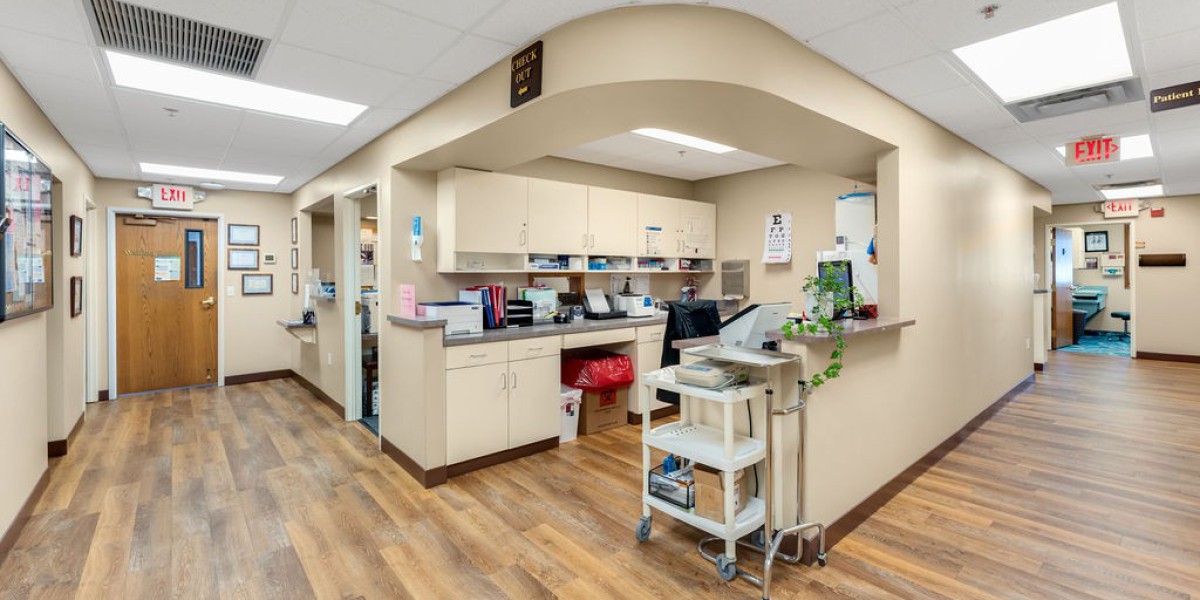

Most people don't think much about finding a doctor until they need one, and by then the search feels urgent. You're sick, your child has a fever, or a routine check-up has been put off for three years. Suddenly you're scrolling through listings, comparing reviews, and wondering who is actually taking new patients. If you live on Grosse Ile or in the towns around it, that search can be more complicated than it sounds.
The good news is that choosing well doesn't have to be hard once you know what matters. Whether you're new to the area, switching after an insurance change, or just tired of long waits, finding a primary care physician near Grosse Ile township, MI is one of the smartest steps you can take for your long-term health. This guide covers what a primary care doctor does, what to look for, and which questions to ask, so you can decide with confidence.
Why a Regular Primary Care Doctor Matters
A primary care doctor is the one person who sees your whole health picture. That means more than this week's sore throat. It includes your family history, blood pressure trends, medications, and how your body usually behaves. That context matters. When a doctor has known you for a few years, small changes stand out, like a slowly rising blood sugar reading or a new pattern of headaches.
Studies have long linked having a regular source of primary care with better screening rates and fewer avoidable emergency room visits. It makes sense. People who have someone to call tend to deal with problems earlier, when they are easier to treat.
Urgent care has its place, and it's helpful when you can't wait. But every urgent care visit starts from scratch. A regular doctor's office keeps your records in one place, remembers your history, and can spot patterns that a one-time visit would miss.
What Does a Primary Care Physician Actually Do?
Many people picture a primary care visit as a quick stop for antibiotics or a school physical form. It covers much more than that.
Preventive Care and Screenings
Prevention is the backbone of good primary care. That includes annual exams, vaccines, blood pressure and cholesterol checks, and age-appropriate screenings such as mammograms or colonoscopies. Catching a problem early almost always gives you more treatment options and less stress.
Managing Ongoing Conditions
Diabetes, high blood pressure, asthma, thyroid disorders, and arthritis all need regular monitoring. Your doctor tracks your numbers, adjusts medications, and helps you make lifestyle changes that fit your real life, not an ideal one.
Treating Everyday Illnesses and Injuries
Colds, infections, rashes, sprains, and stomach bugs are all part of the job. A doctor who already knows you can often diagnose these faster and with more confidence.
Coordinating Care With Specialists
When you need a cardiologist, dermatologist, or orthopedic specialist, your primary care physician makes the referral, shares your history, and follows up afterward. That coordination keeps test results and treatment plans from falling through the cracks.
What to Look for in a Primary Care Doctor Near Grosse Ile
Not every practice fits every patient. These are the factors that tend to matter most in real life.
Convenient Location and Easy Access
Grosse Ile is an island, so getting to appointments means crossing a bridge, and winter weather can slow things down. A practice that is easy to reach, with simple parking and a reasonable drive, is far more likely to be one you actually visit. Check whether the office is on the island or just across the river in a nearby community, and think about how the trip fits your daily routine.
Insurance Acceptance
Confirm that the practice accepts your plan before you book. Call the office rather than relying only on a website, since insurance networks change often. Ask whether they are in-network for both routine visits and any labs or imaging they order.
Communication Style
You should feel comfortable asking questions. A good doctor explains things in plain language, listens without rushing, and respects your preferences. If you leave a first visit feeling dismissed or confused, that's worth paying attention to.
Scheduling and Availability
Ask how long it typically takes to get a routine appointment and what happens when you're sick. Some practices offer same-day or next-day visits for acute problems. Others leave you waiting two weeks. Also ask how you can reach the office with questions between visits, whether by phone, patient portal, or both.
Credentials and Patient Feedback
Look for board certification in family medicine or internal medicine, and read patient reviews with a sensible eye. One angry review isn't a red flag, but repeated comments about long waits, rushed visits, or billing problems are worth noting.
Questions to Ask Before You Book
A short phone call can tell you a lot. Consider asking:
- Are you accepting new patients?
- Do you accept my insurance plan?
- How soon can I get a first appointment?
- What are your office hours, and do you offer any early or late slots?
- How do you handle same-day sick visits?
- Can I get test results and refills through an online portal?
- Which hospitals do your physicians work with?
- What is your approach to preventive care and long-term health?
You don't need to ask everything. Pick the three or four that matter most to you.
Why Choosing Local Care Makes a Difference
There's a real advantage to seeing a doctor who understands the community you live in. Local physicians know the area's common seasonal issues, from allergies along the river to slips and sprains during icy Michigan winters. They also know which nearby hospitals, labs, and specialists are easy to reach if you need more care.
Local practices also tend to feel less anonymous. You're more likely to see the same faces at each visit, and that continuity builds trust. Patients who trust their doctor are more likely to be honest about symptoms, habits, and worries, which leads to better care.
For families, having one nearby practice can also simplify life. Parents, grandparents, and teenagers can often be cared for in the same place, and the office already understands the family's health history.
What to Expect at Your First Appointment
A first visit is mostly about getting to know each other. Nothing about it should feel intimidating. To make it go smoothly, bring:
- Your insurance card and a photo ID
- A list of current medications, vitamins, and supplements
- Records from your previous doctor, if you have them
- A short list of questions or concerns
Expect to talk through your medical history, including past surgeries, allergies, and health conditions that run in your family. The doctor will likely check your blood pressure, weight, and other basic measurements, and may recommend routine screenings or lab work if you're due.
Be honest, even about things that feel awkward, like sleep problems, stress, or habits you'd rather not discuss. Doctors have heard it all, and accurate information is what allows them to help you.
How Main Street Physicians P.C. Approaches Patient Care
Choosing a doctor is ultimately about fit, and it helps to know what a practice values. At Main Street Physicians P.C., the focus is on building long-term relationships with patients rather than rushing through appointments. That means taking time to listen, explaining your options clearly, and helping you manage both everyday concerns and ongoing health needs.
Whether you're due for a yearly physical, managing a chronic condition, or simply looking for a doctor you can rely on, a practice that emphasizes continuity and clear communication gives you a solid starting point. The best way to know if any office is right for you is to call, ask your questions, and see how the team responds.
Signs a Practice May Not Be the Right Fit
Even a well-reviewed office isn't right for everyone. Be cautious if you notice:
- Staff who are dismissive or hard to reach by phone
- Consistently long waits with little explanation
- A doctor who doesn't answer your questions or talks over you
- Confusing billing with no clear answers
- No plan for after-hours or urgent concerns
You're allowed to switch. Finding the right doctor sometimes takes more than one try, and that's completely normal.
Conclusion
Choosing a primary care doctor is one of those decisions that quietly shapes your health for years. The right physician helps you stay ahead of problems, manages the conditions you already have, and gives you a trusted place to turn when something feels off. Focus on the practical things: location, insurance, communication, and availability. Then trust your instincts about how you feel when you talk with the office.
If you're ready to start, don't wait until you're sick. Make a few calls, ask your questions, and schedule a first visit while you're feeling well. A little effort now makes every future appointment easier.
Frequently Asked Questions
How often should I see my primary care doctor?
Most healthy adults benefit from a check-up about once a year. If you have a chronic condition, such as diabetes or high blood pressure, your doctor may want to see you every three to six months. Children and older adults often follow different schedules based on age and health needs.
What's the difference between a family doctor and an internist?
Family medicine doctors treat patients of all ages, from infants to seniors. Internists focus on adults and often have deeper training in complex adult conditions. Both can serve as your primary care physician, so the better choice depends on who in your household needs care.
Should I go to urgent care or my regular doctor?
For non-emergency issues like colds, minor infections, or medication questions, call your regular doctor first, since many offices can fit you in quickly. Urgent care makes sense when the office is closed and the problem can't wait. For severe symptoms such as chest pain, trouble breathing, or signs of a stroke, call 911 or go to the nearest emergency room.
Do I need a referral to see a primary care physician?
No. Primary care doctors are usually the first point of contact, so you can book directly. A referral is generally needed only when your primary care doctor sends you to a specialist, and some insurance plans require it.
How do I switch to a new primary care doctor?
Choose a new practice, confirm they accept your insurance, and schedule a first visit. Then sign a records release so your previous doctor can send your files over. You don't need to give a detailed explanation to your old office, and most practices handle transfers routinely.